
Selecting a cylindrical grinding machine is not simply a matter of comparing the maximum grinding diameter, center distance or machine price. A machine may appear suitable according to its catalogue specifications but still fail to achieve the required accuracy, surface finish or production efficiency under actual operating conditions.
Before requesting a quotation, buyers should first clearly define the workpiece and machining requirements.
1 Start with the Workpiece Drawing
The workpiece drawing is the most important reference when selecting a cylindrical grinder. Buyers should provide the machine supplier with the following information:
The workpiece drawing is the most important reference when selecting a cylindrical grinder. Buyers should provide the machine supplier with the following information:
maximum and typical workpiece diameter、overall workpiece length and actual grinding length、workpiece weight、material and hardness、grinding allowance、required dimensional tolerance、roundness and cylindricity requirements、required surface roughness、estimated production quantity.
It is also necessary to identify whether the machine will grind straight outside diameters, stepped shafts, tapers, shoulders, end faces or complex profiles.
Providing complete information helps the supplier recommend the correct machine structure, grinding wheel, workholding system and control configuration.
It is also necessary to identify whether the machine will grind straight outside diameters, stepped shafts, tapers, shoulders, end faces or complex profiles.
Providing complete information helps the supplier recommend the correct machine structure, grinding wheel, workholding system and control configuration.
2 Check More Than the Maximum Grinding Size
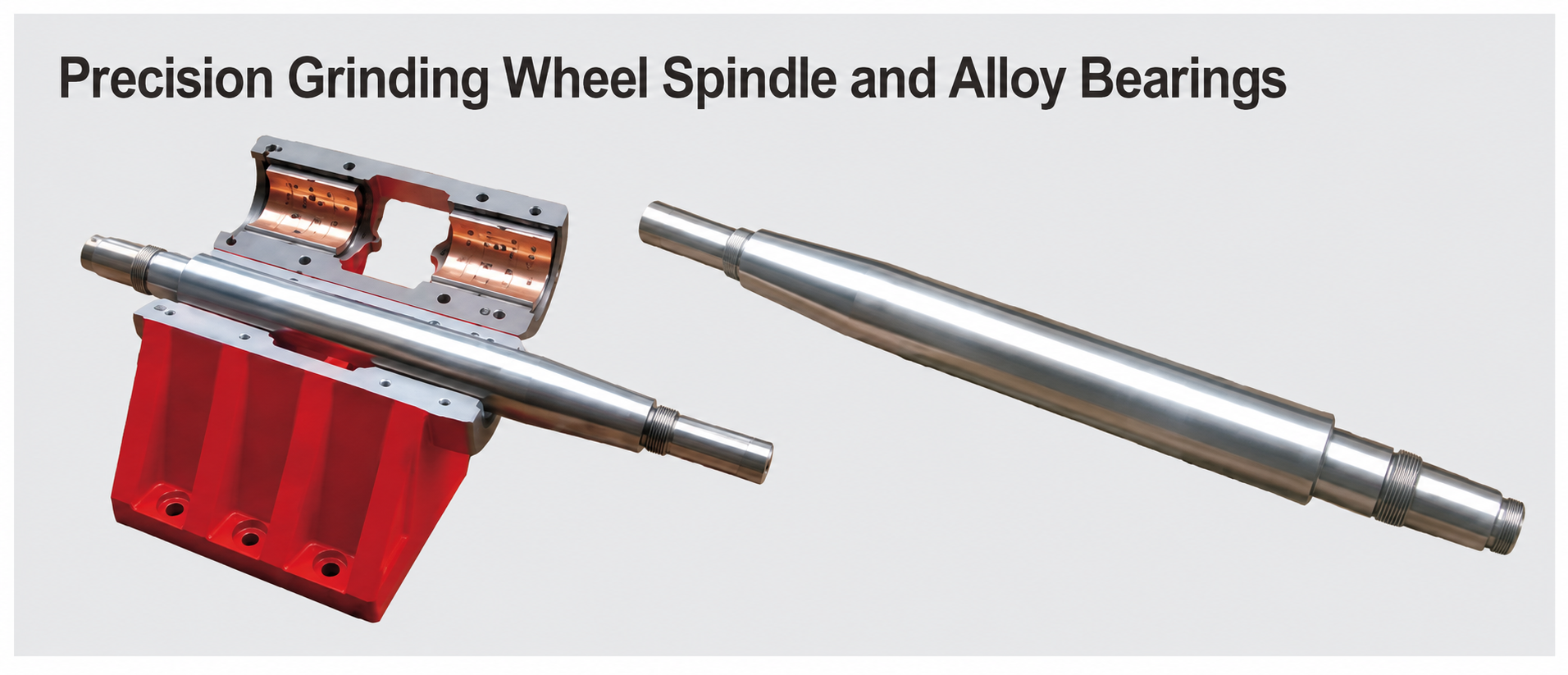
Many buyers focus only on the maximum grinding diameter and distance between centers. However, the usable machining range may also be affected by the grinding wheel size, chuck, tailstock, steady rest, dressing device and measuring system.
For long or slender shafts, sufficient workpiece support is especially important. A suitable steady rest can reduce bending and vibration during grinding and help improve roundness and cylindricity.
The machine should have enough capacity for the current workpiece while also leaving reasonable space for tooling, loading and possible future products.
3 Match the Machine with Accuracy Requirements
Grinding accuracy depends on the complete machining system rather than one specification in the catalogue.
Machine rigidity, spindle performance, guideway accuracy, thermal stability, workholding, grinding wheel selection, wheel dressing and coolant filtration can all affect the final result.
For applications requiring stable production of precision shafts, buyers should pay attention to:
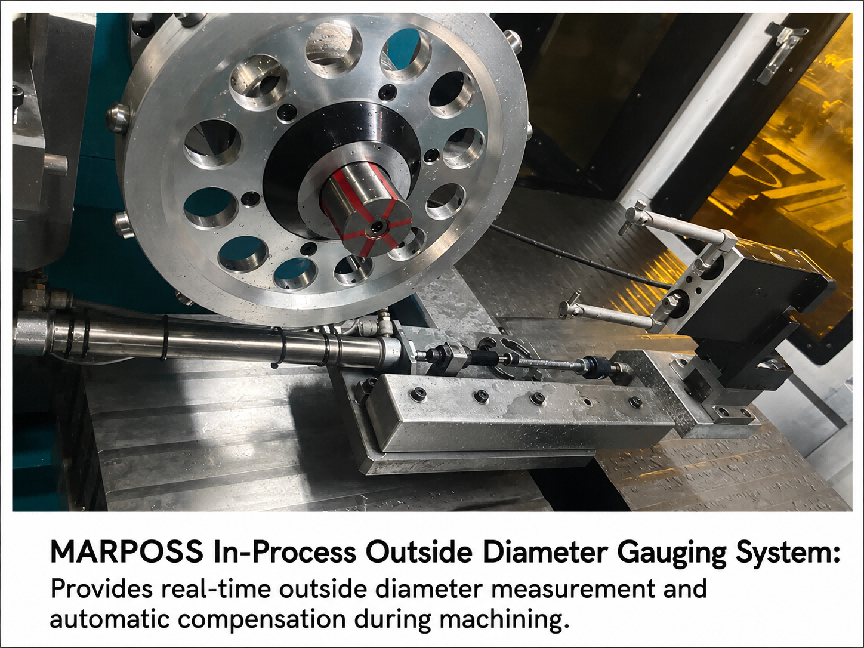
machine bed rigidity and vibration resistance、grinding wheel spindle accuracy、workhead and tailstock alignment、automatic wheel dressing、automatic size compensation、coolant temperature and filtration control、in-process or post-process gauging options.
A larger or more expensive machine is not automatically more accurate. The correct machine is the one that can repeatedly meet the specified part requirements.
4 Choose the Appropriate Control Level
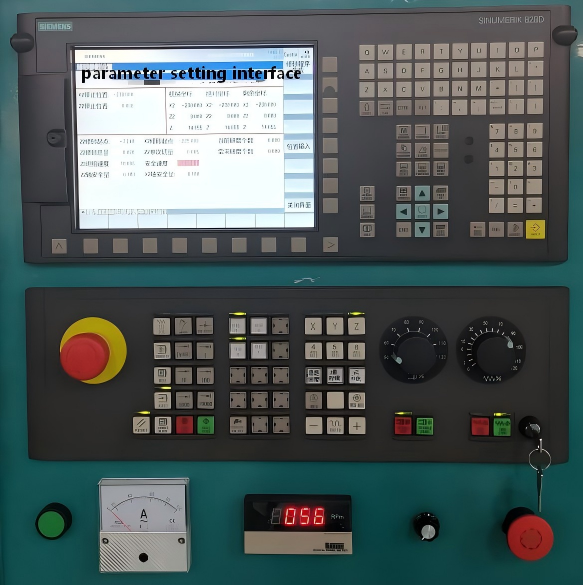
The production quantity and part variety should determine whether a conventional, NC or CNC cylindrical grinding machine is more suitable.
Conventional or basic NC grinders may be practical for repair work, small batches and frequently changing workpieces. They normally have a lower initial investment but depend more heavily on operator experience.
CNC cylindrical grinding machines are more suitable for repeated production, stepped shafts, multiple grinding diameters and applications requiring automatic dressing, compensation or loading. CNC control can reduce manual adjustment and improve process consistency, especially in medium- and high-volume production.
Buyers should select the level of automation according to actual production needs instead of purchasing unnecessary functions.
5 Confirm the Workholding Method
The same workpiece may produce different grinding results when different workholding methods are used.
Common methods include:
grinding between centers、chuck clamping、collet clamping、mandrel positioning、steady-rest-supported grinding.
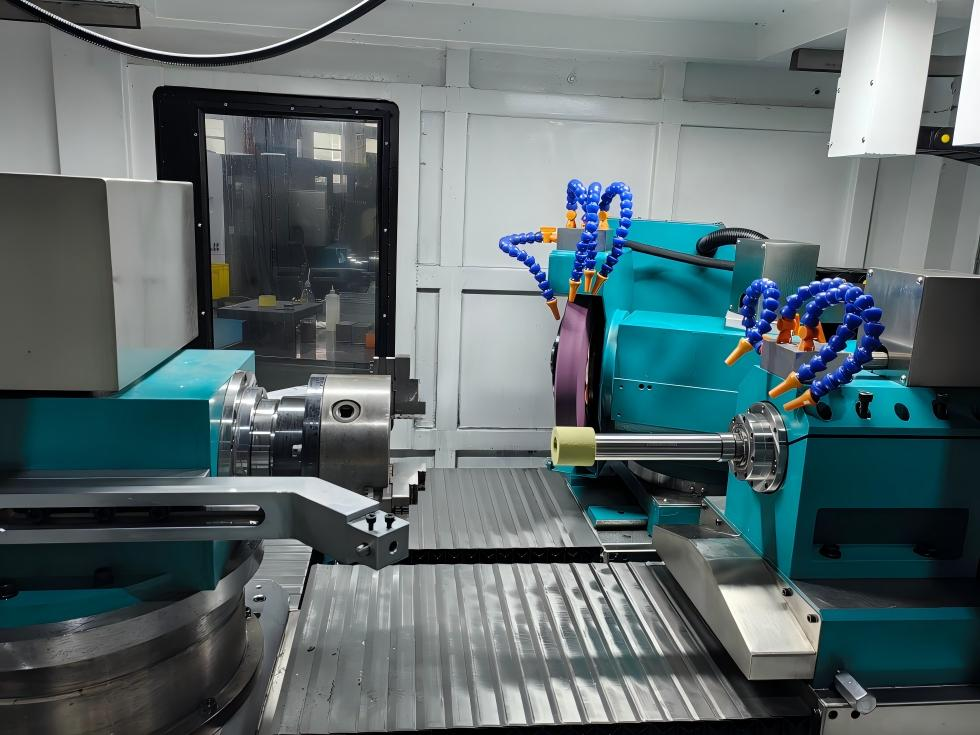
Grinding between centers is commonly used for shaft parts requiring good concentricity between several outside diameters. Chucks and collets may be more suitable when the workpiece has no center holes or when an existing bore or outside diameter must be used as the positioning reference.
The workholding method should therefore be confirmed before the machine configuration is finalized.
6 Request a Test Grinding Before Ordering
A test grinding is one of the most reliable ways to verify whether a machine is suitable. Whenever possible, buyers should provide an actual workpiece or representative sample together with the drawing. The supplier should record the grinding conditions and inspect several important results, including: finished diameter、roundness、cylindricity、taper、surface roughness、grinding cycle time.
The inspection method, measuring equipment and acceptance standard should be agreed upon in advance. Evaluating several consecutively ground parts is usually more meaningful than checking only one best sample.
Conclusion
The right cylindrical grinding machine should be selected according to the finished workpiece, not only according to machine size or purchase price.
Before contacting a supplier, prepare the workpiece drawing, material, hardness, machining allowance, tolerance, surface finish and production quantity. Complete technical information allows the supplier to provide a more accurate machine recommendation and reduces the risk of purchasing unsuitable equipment.
For a professional grinding solution, buyers may send their workpiece drawings and production requirements to the machine supplier for technical evaluation and test grinding.
Post time: Aug-07-2026

