
Date: Aug 14, 2026
Category: Buying Guide
Buying a centerless grinding machine is not only about comparing machine size and price.
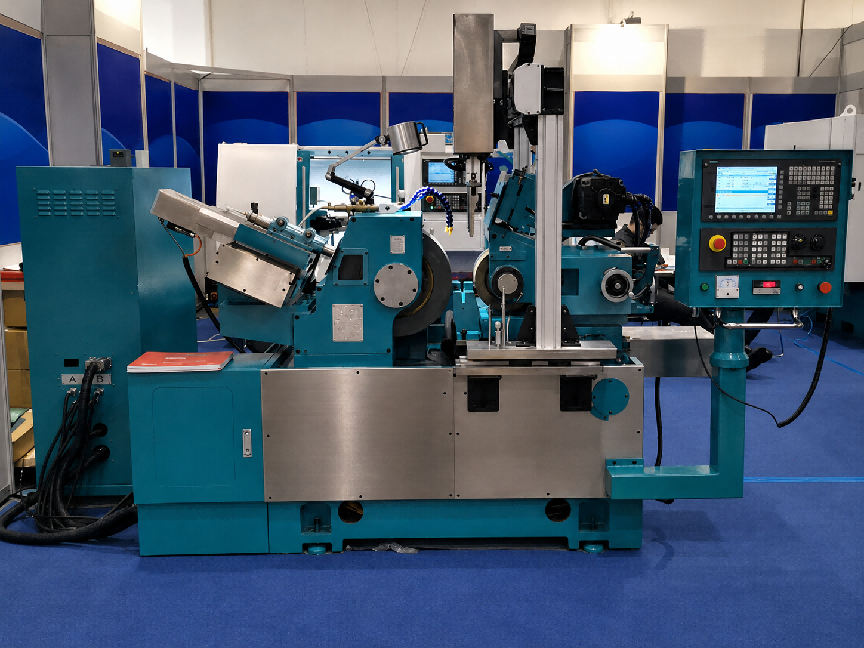
Before asking for a quotation, buyers should first confirm their workpiece, grinding method, accuracy requirements and production volume. Providing this information at the beginning can make machine selection much easier and reduce the risk of choosing the wrong configuration.
Here are several important questions to check before purchasing a centerless grinder.
1. What Parts Will You Grind?
The first question is simple: What is your workpiece?
Before contacting a supplier, prepare the following information:
Workpiece diameter
Workpiece length
Material
Material hardness
Grinding allowance
Required tolerance
Required surface roughness
Production quantity
Photos and drawings of the actual parts are also very helpful.
For example, grinding small precision pins and grinding large automotive shafts may both require a centerless grinder, but the required machine size, grinding wheel and automation system can be completely different.
2. Do You Need Through-Feed or In-Feed Grinding?
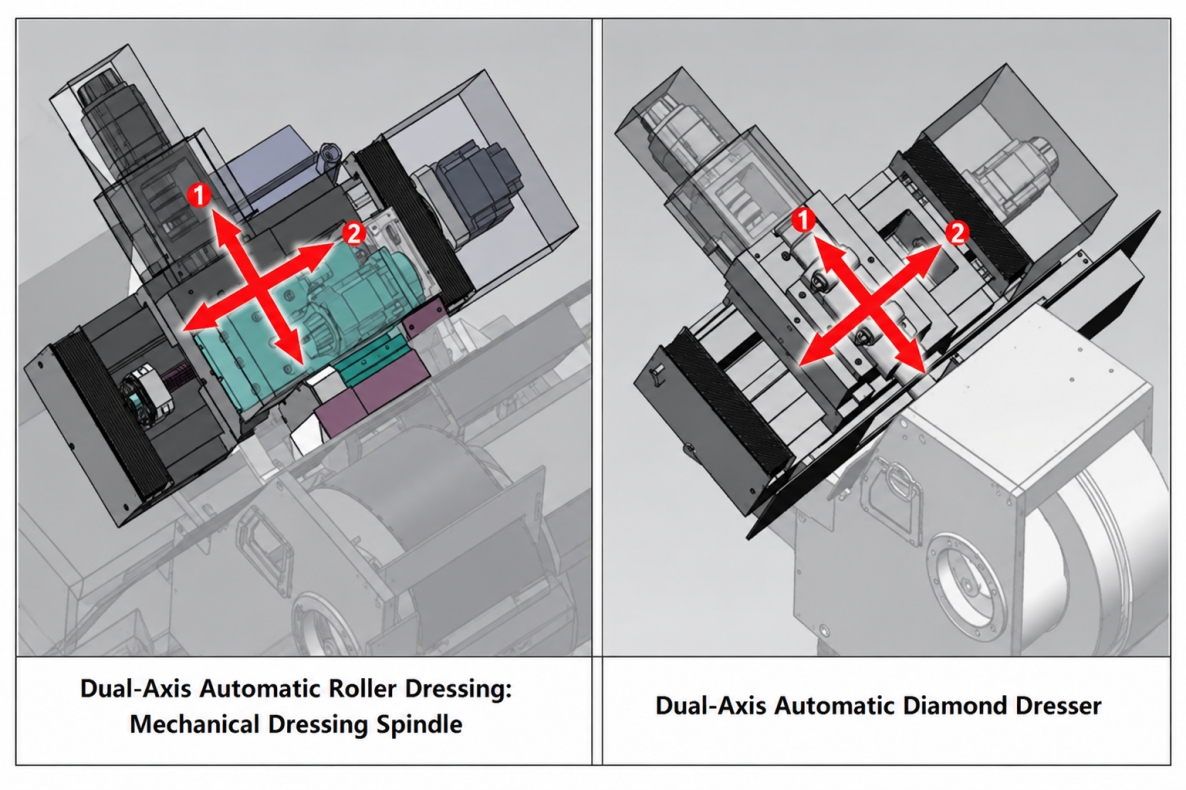
This is one of the most important questions when selecting a centerless grinding machine.
Through-feed grinding is commonly used for parts that can move continuously through the grinding zone. It is especially suitable for high-volume production of relatively simple cylindrical parts.
In-feed grinding is normally considered when the workpiece has steps, shoulders or profiles that prevent it from passing completely through the machine.
Many modern centerless grinders can be configured for in-feed, through-feed or both types of grinding, depending on the application. Manufacturers such as Glebar also offer machines specifically designed around in-feed/through-feed production and automation.
Before ordering the machine, show the supplier your workpiece drawing and confirm the correct grinding method.
3. Is the Grinding Diameter Range Suitable?
Do not only look at the machine’s maximum grinding diameter.
The typical diameter of your daily production parts is often more important.
For example, if most of your parts are very small, selecting a machine designed mainly for much larger workpieces may not be the best solution.
The grinding wheel size, regulating wheel size, work-rest blade and feeding system should all match the actual workpiece range.
HOTMAN’s FX-12S, for example, lists a standard workpiece diameter range of Ø0.5–40 mm, while special configurations are available for smaller workpieces.
This is why buyers should always provide the minimum, maximum and most common workpiece diameters.
4. Manual, NC or CNC?
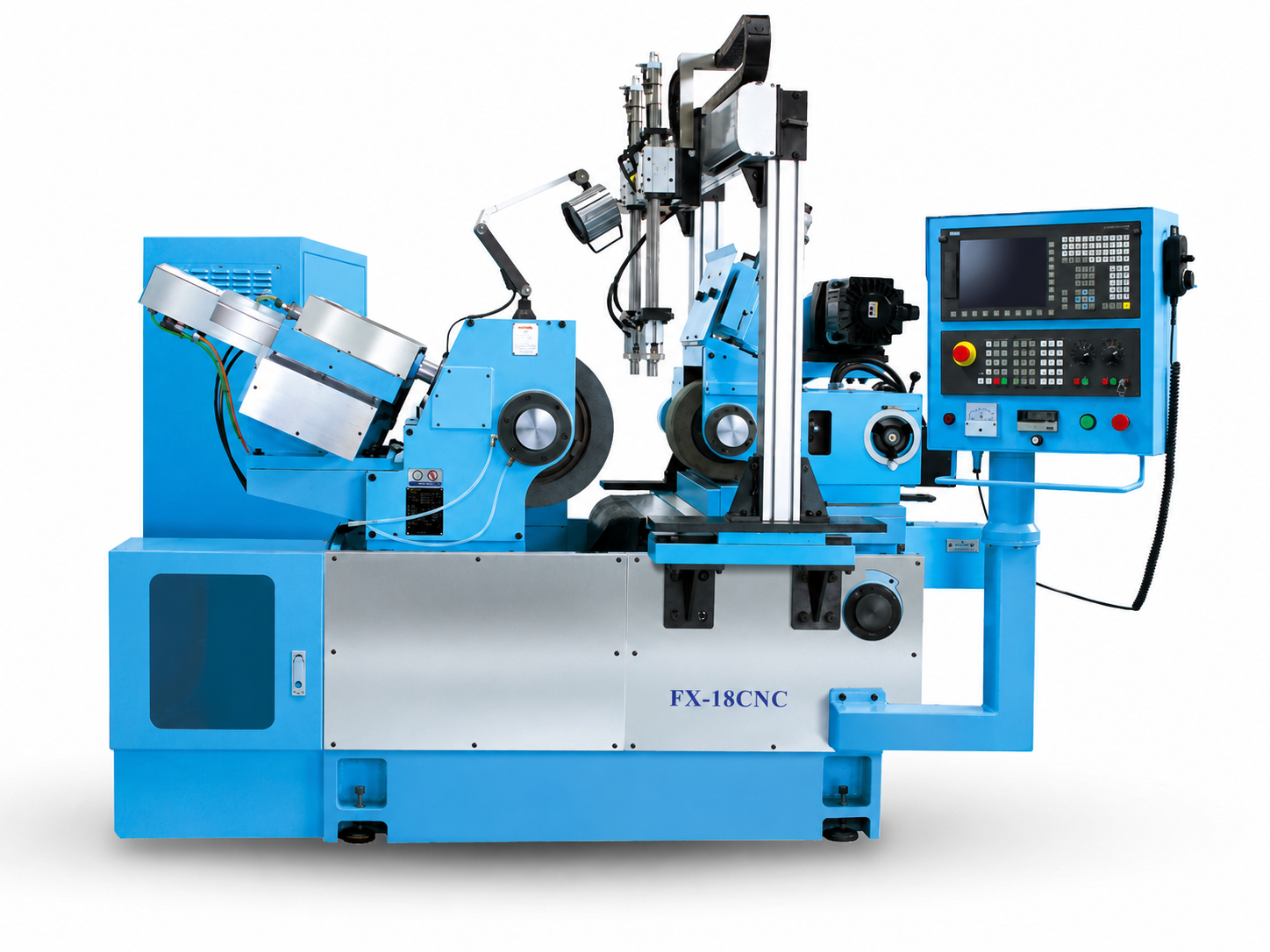
Not every buyer needs the highest level of CNC automation.
If you produce a small number of relatively simple parts and change products infrequently, a simpler machine may already meet your requirements.
However, CNC control becomes more useful when you need:
Frequent product changeovers
Multiple grinding programs
Automatic compensation
Automatic wheel dressing
Automatic gauging
Automatic loading and unloading
High-volume continuous production
Advanced centerless grinding systems can integrate feeders, robots, automatic gauging, cleaning and sorting systems.
Therefore, automation should be selected according to actual production needs rather than simply choosing the most expensive configuration.
5. What Accuracy Can the Machine Actually Achieve?
Do not rely only on descriptions such as “high precision” or “high accuracy.”
Ask the supplier for measurable information.
For example:
Diameter tolerance
Roundness
Cylindricity
Surface roughness
Repeatability
More importantly, ask whether the supplier can perform a test grinding using your actual workpiece or a similar sample.
A test piece and inspection report usually provide more useful information than a general accuracy statement in a catalogue.
6. What Is Included in the Quotation?
Two centerless grinders with similar basic specifications may have very different quotations because the included equipment is different.
Before comparing prices, check whether the quotation includes:
Grinding wheel
Regulating wheel
Work-rest blade
Wheel dressing device
Coolant system
Filtration system
Mist collector
Automatic feeder
Automatic unloading system
Measuring system
Transformer
Spare parts
Installation and training
Ask the supplier to clearly separate standard equipment, optional equipment and recommended accessories.
This makes quotations much easier to compare.
7. Do You Need Automatic Loading?
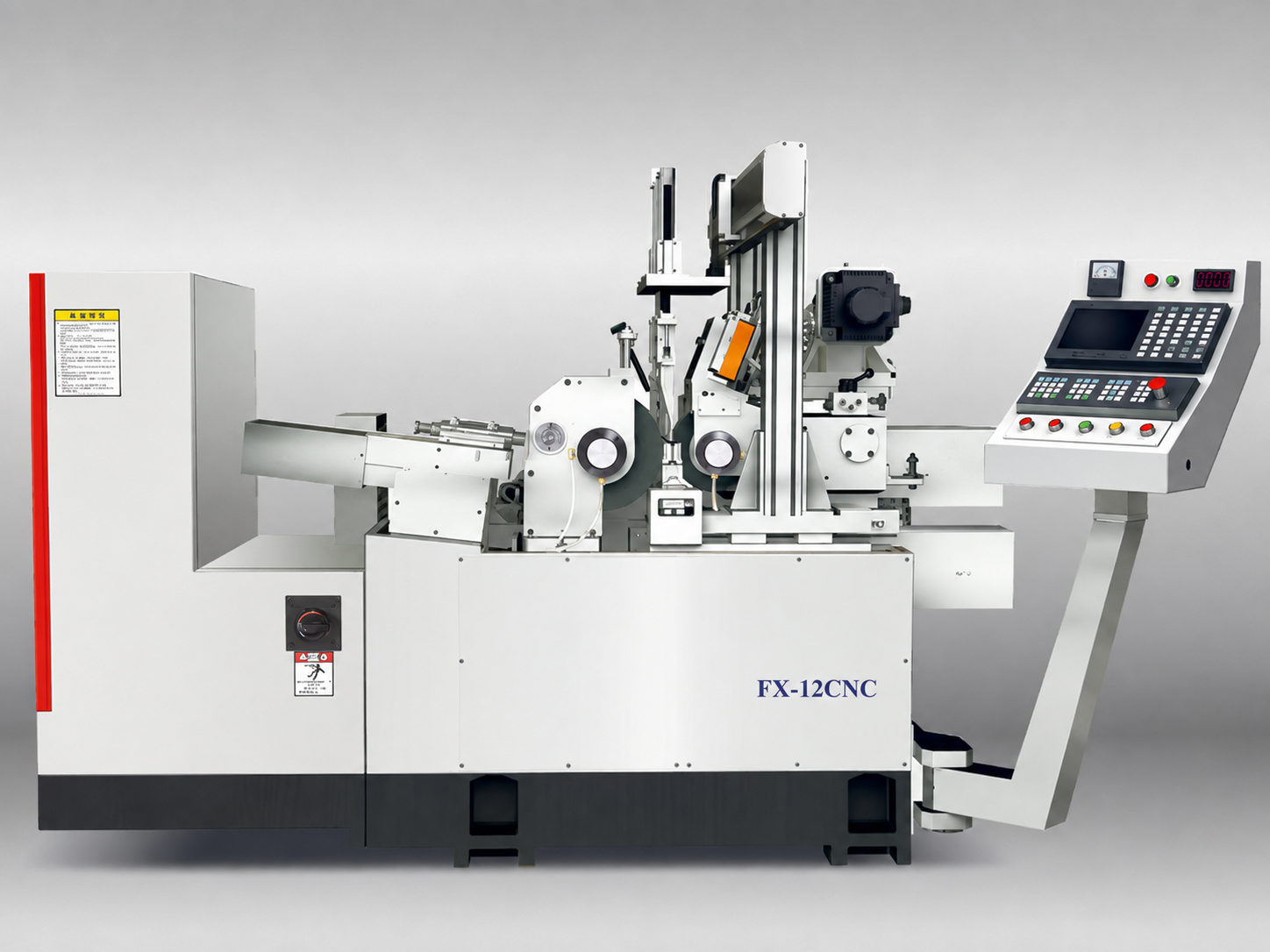
For batch production, the grinding machine itself is only one part of the production line.
If thousands of similar parts must be produced every day, automatic loading and unloading may reduce manual operation and improve production consistency.
Centerless grinding is particularly suitable for integration with feeding and automated production systems, and current commercial machines are offered with robots, feeders, gauging and automatic compensation options.
However, if production volume is relatively small, a complicated automation system may not provide enough value to justify the additional investment.
8. What Should You Send the Supplier Before Asking for a Price?
For a more accurate quotation, prepare:
1. Workpiece drawing
2. Workpiece photos
3. Material and hardness
4. Minimum and maximum diameter
5. Workpiece length
6. Grinding allowance
7. Required tolerance
8. Surface roughness
9. Daily or monthly production quantity
10. Required automation level
The more complete the information, the easier it is for the supplier to recommend the correct machine instead of simply offering a standard model.
Conclusion
The best centerless grinding machine is not necessarily the largest or most expensive one.
The right machine should match your workpiece size, grinding method, accuracy requirement and production volume.
Before placing an order, confirm the grinding process, machine capacity, CNC level, accessories, automation requirements and acceptance standards with the supplier.
If possible, send your workpiece drawing and request a test grinding before finalizing the machine configuration. This is one of the simplest ways to reduce purchasing risk and make sure the machine is suitable for your actual production.
Email : sales6@dgbica.com
WhatsApp: +86 172 0031 5617
Post time: Aug-14-2026

