
When purchasing a cylindrical grinding machine, buyers often receive quotations with significantly different prices, even though the listed grinding diameter, distance between centers and motor power appear similar.
Does a higher price always mean a better machine? Is the lowest quotation really the most economical option?
The answer depends on what is included in the machine configuration and whether the machine can consistently meet the actual production requirements. Buyers should compare quotations item by item rather than looking only at the final price.
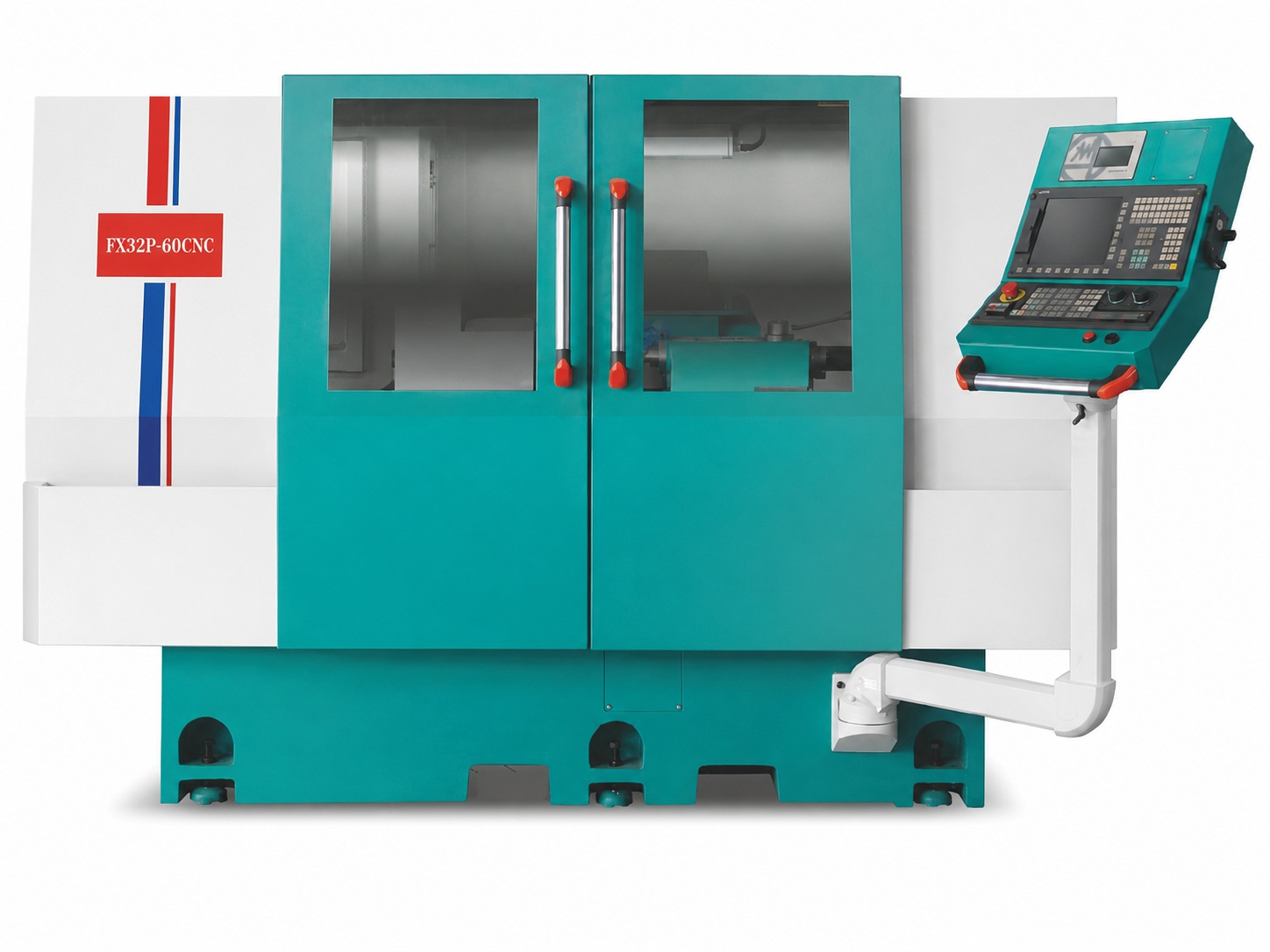
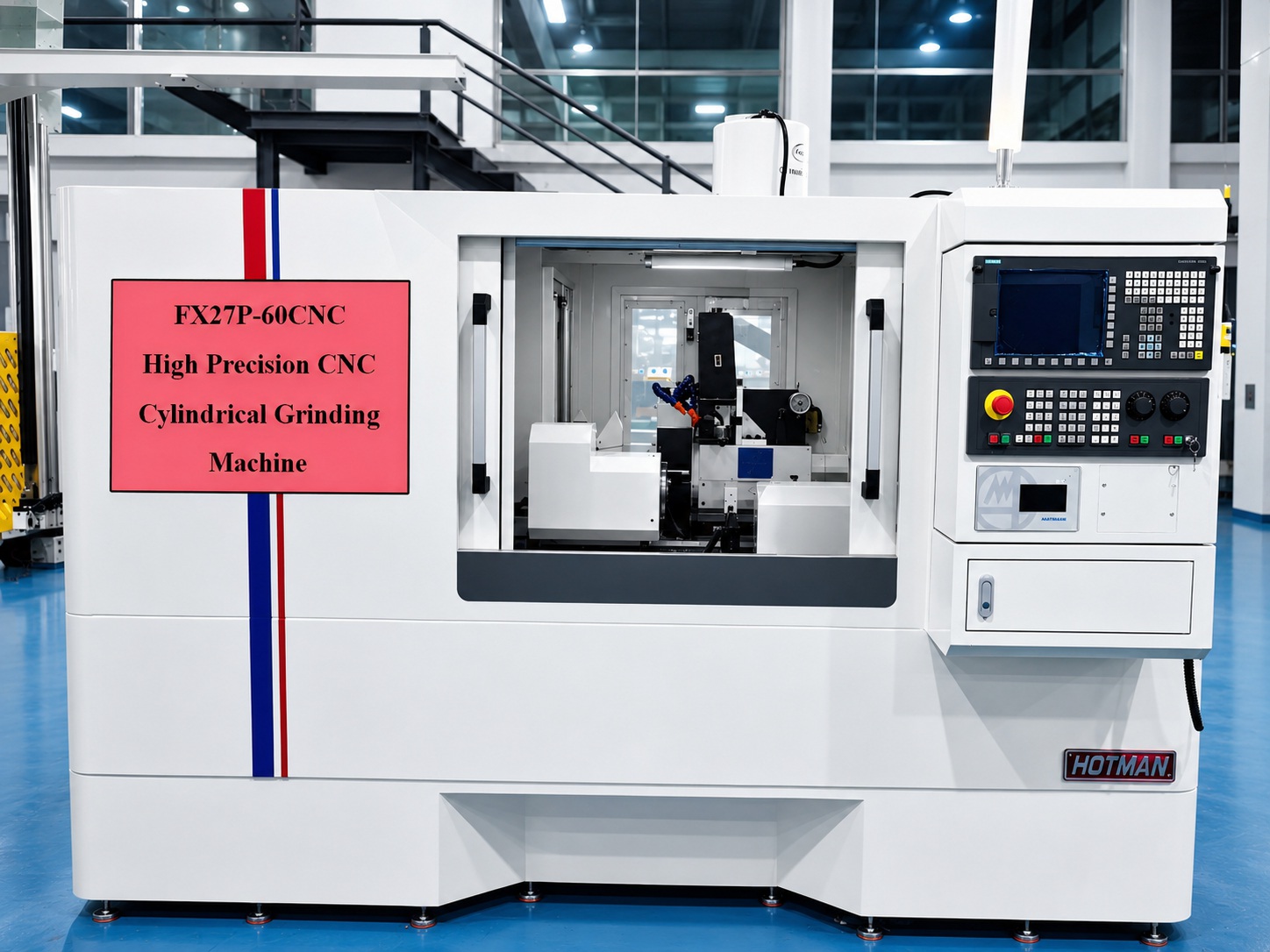
1 Are the Machines Designed for the Same Workpiece?
Two machines may have the same maximum grinding diameter and center distance but be intended for different applications.
Before comparing prices, buyers should confirm:
* Typical workpiece diameter and length;
* Maximum workpiece weight;
* Workpiece material and hardness;
* Required dimensional tolerance;
* Roundness and cylindricity;
* Required surface roughness;
* Grinding allowance;
* Production quantity.
A machine designed for occasional general-purpose grinding may be different from one intended for continuous precision production.
The most suitable machine should therefore be selected according to the workpiece drawing and production conditions, not simply according to the largest value shown in the catalogue.
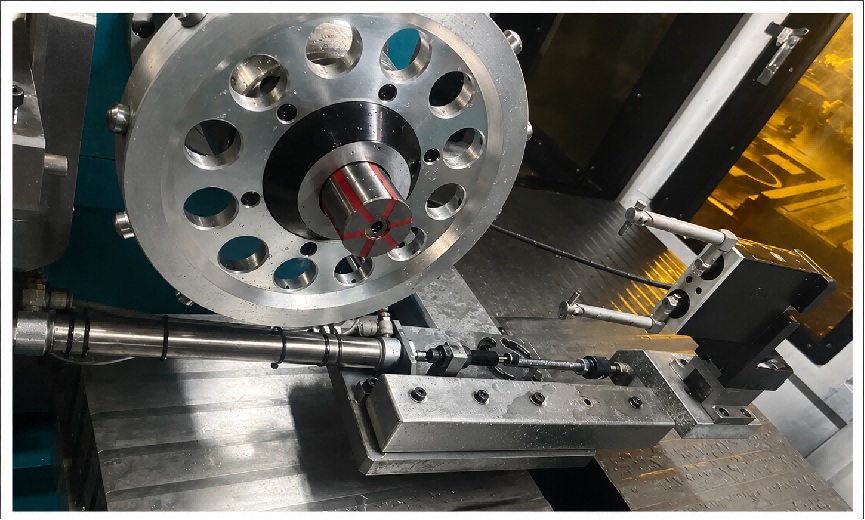
2 Is the CNC System Included?
The CNC system can be an important source of price difference.
Buyers should check the specific control brand and model rather than accepting a general description such as “CNC control.”
The quotation should clearly state whether it includes:
* Automatic grinding cycles;
* Automatic wheel dressing;
* Grinding wheel compensation;
* Multi-step shaft programming;
* Taper grinding functions;
* Automatic size control;
* Program storage and data communication;
* Additional controlled axes.
A machine with a basic digital display or simple feed control should not be compared directly with a fully CNC-controlled grinding machine.
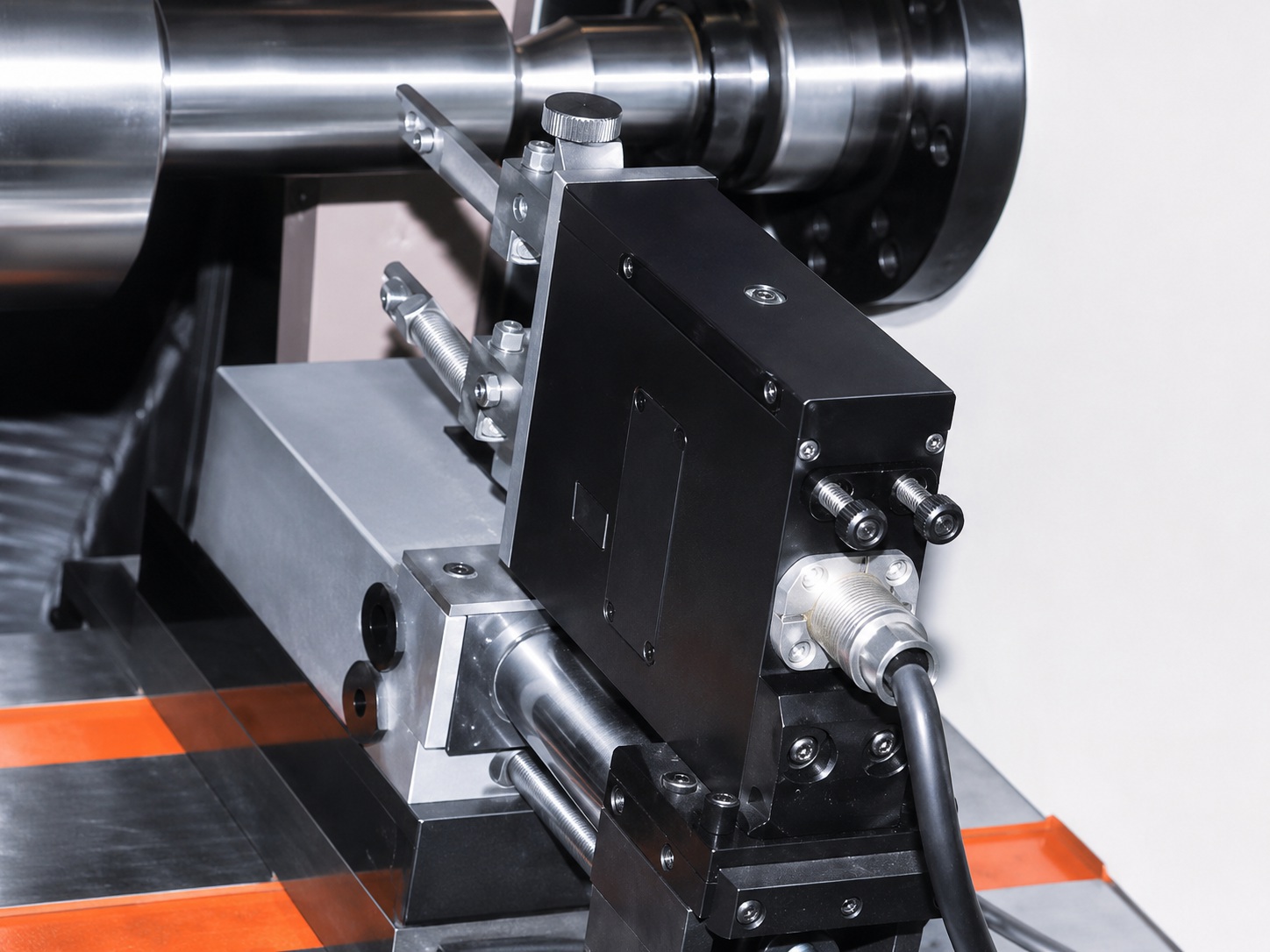
3 Compare the Main Mechanical Components
The quality and specification of the main components affect machine rigidity, accuracy, service life and maintenance requirements.
Important items include:
* Grinding wheel spindle;
* Workhead spindle;
* Guideway structure;
* Ball screws;
* Servo motors and drives;
* Spindle bearings;
* Lubrication system;
* Machine bed and casting structure.
Two suppliers may list similar machine dimensions, but the internal construction and component specifications can be very different.
Buyers should ask the supplier to provide a detailed configuration list, including component brands, models and countries of origin where applicable.
4 Check What Accessories Are Included
A lower quotation may cover only the basic machine. Necessary accessories may be listed as optional or may not be included at all.
Depending on the workpiece, the buyer may also need:
* Three-jaw or four-jaw chuck;
* Centers and drive plates;
* Steady rest;
* Wheel balancing stand;
* Wheel flange;
* Diamond dressing tool;
* Coolant filtration unit;
* Magnetic separator;
* Oil mist collector;
* Measuring instruments;
* Transformer or voltage converter.
Before placing an order, buyers should request a clear distinction between standard equipment, optional equipment and recommended spare parts.
Otherwise, the final project cost may be much higher than the original machine price.
5 Are the Accuracy Standards the Same?
The word “high precision” is not a measurable acceptance condition.
The quotation or technical agreement should define the actual requirements, such as:
* Dimensional accuracy;
* Roundness;
* Cylindricity;
* Surface roughness;
* Repeatability;
* Test-piece material and size;
* Inspection method;
* Measuring equipment;
* Number of test pieces.
A machine with stricter acceptance requirements may require better components, more careful assembly and additional testing, which can increase the price.
Buyers should therefore compare the guaranteed machining results rather than only the nominal positioning accuracy of the machine axes.
6 Is Test Grinding Included?
For precision grinding equipment, test grinding is an effective way to reduce purchasing risk.
The buyer can provide a representative workpiece drawing or actual sample. The supplier can then confirm:
* Whether the machine structure is suitable;
* Which grinding wheel should be used;
* Whether a steady rest is required;
* Expected machining accuracy;
* Expected surface finish;
* Approximate cycle time;
* Suitable clamping method.
A supplier that performs test grinding and provides inspection results may quote differently from a supplier offering only a standard machine without process verification.
A Practical Quotation Comparison Checklist
Before selecting a supplier, compare the following items in one table:
Only quotations based on the same technical and commercial scope can be compared fairly.
Conclusion
When two cylindrical grinding machines appear similar but have different prices, the difference is often found in their internal configuration, accuracy guarantee, accessories, testing, service and commercial terms.
The lowest quotation is not always the lowest-cost solution, while the highest quotation is not automatically the best choice.
Before ordering, buyers should provide the workpiece drawing, material, hardness, tolerance, surface finish and expected production quantity. A detailed technical agreement and itemized quotation can help both parties confirm the correct machine configuration and reduce unexpected costs during installation and production.
Email : sales6@dgbica.com
Tel/WhatsApp: +86 17200315617
Post time: Aug-13-2026

