
Pine Zhong
WhatsApp:+86 15010397162 E-mail:sales6@yuhenmachine.com
A surface grinding machine is not usually the loudest machine in a workshop.
It doesn’t remove huge amounts of material like a milling machine. It doesn’t create dramatic cutting sounds or produce large chips flying everywhere.
But don’t let its quiet operation fool you.
A surface grinder is a precision machine, and precision machines are sensitive. A small amount of dirt on a guideway, incorrect lubrication, or a worn grinding wheel can gradually affect accuracy long before anyone notices a serious problem.
Many manufacturers only think about maintenance when something goes wrong.
The machine starts producing poor surface finishes.
The grinding wheel wears faster than expected.
The dimensions are no longer as stable as before.
By that point, the problem may have already affected production quality.
The better approach is simple:
So, how often should a surface grinding machine be maintained?
The answer depends on the machine’s working environment, production intensity, and operating hours. However, a good maintenance schedule can keep a precision grinder running accurately for many years.
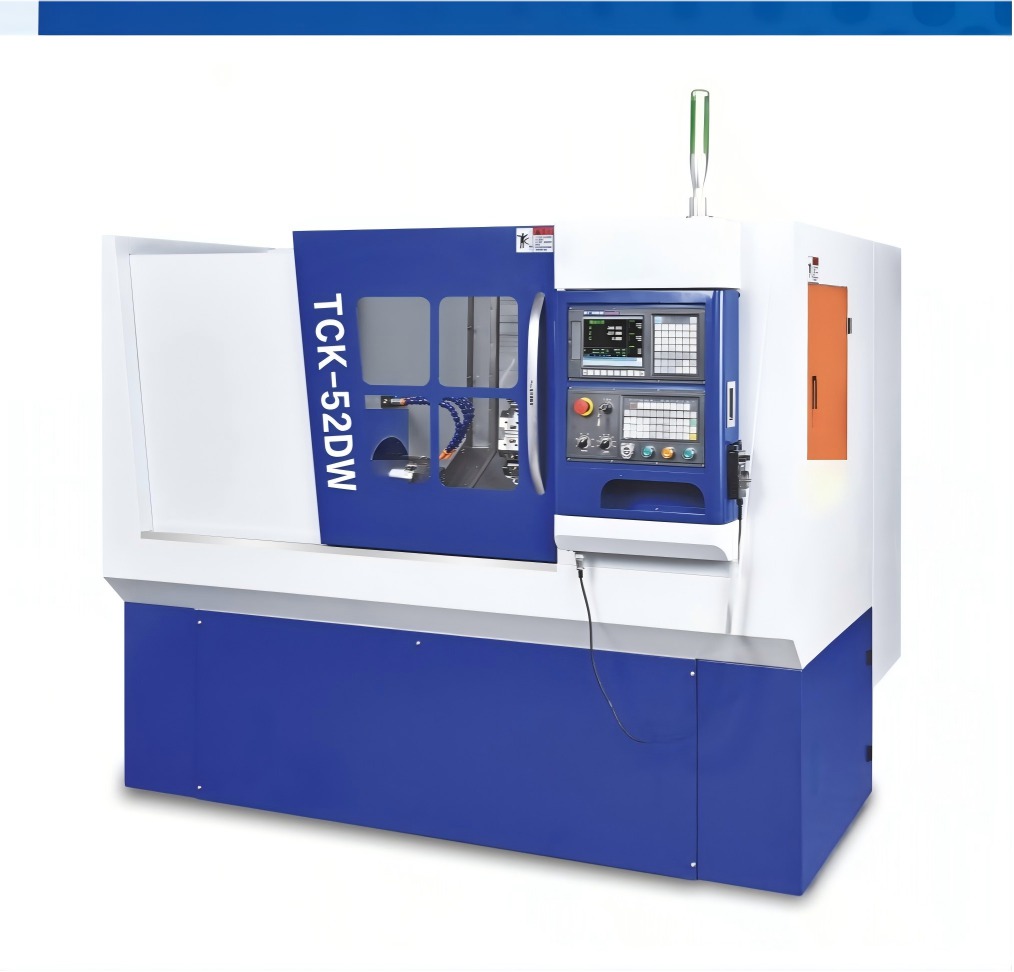
Daily Maintenance: Small Actions, Big Results
Daily maintenance does not need to be complicated.
In fact, the most important maintenance tasks are often the simplest ones.
At the beginning and end of each working day, operators should check the basic condition of the machine.
The grinding area should be cleaned to remove grinding dust and abrasive particles. These tiny particles may seem harmless, but over time they can enter guideways, affect movement accuracy, and accelerate wear.
The coolant system should also be checked regularly. Dirty coolant can reduce grinding performance, damage the surface finish, and shorten grinding wheel life.
Operators should pay attention to unusual sounds, vibration, or changes in machine behavior.
A precision machine often gives warning signs before a major problem happens.
A strange noise today could become an expensive repair tomorrow.
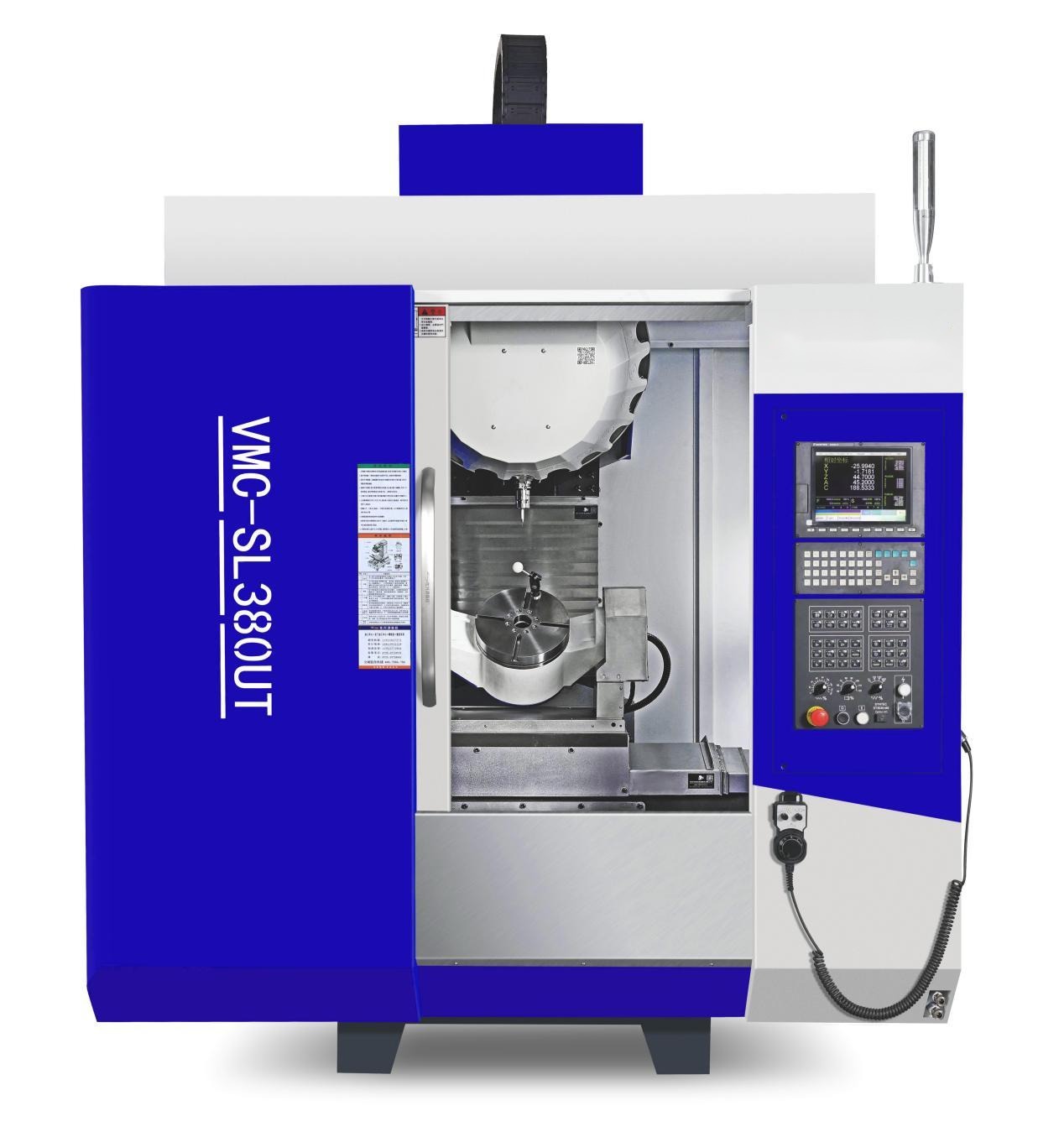
Weekly Maintenance: Keep Precision Components Healthy
Weekly maintenance focuses on the parts that directly influence machining accuracy.
The guideways are one of the most important areas of a surface grinding machine. Smooth guideway movement is essential for maintaining stable grinding performance.
Operators should inspect:
- Guideway lubrication
- Hydraulic system condition
- Coolant cleanliness
- Grinding wheel condition
- Machine table movement
The grinding wheel should also be checked.
A worn or improperly dressed wheel can create several problems, including:
- Poor surface finish
- Uneven grinding
- Increased vibration
- Higher machining time
Many operators focus only on the machine itself but forget that the grinding wheel is also a critical part of the process.
A good machine with a poor grinding wheel will still produce poor results.
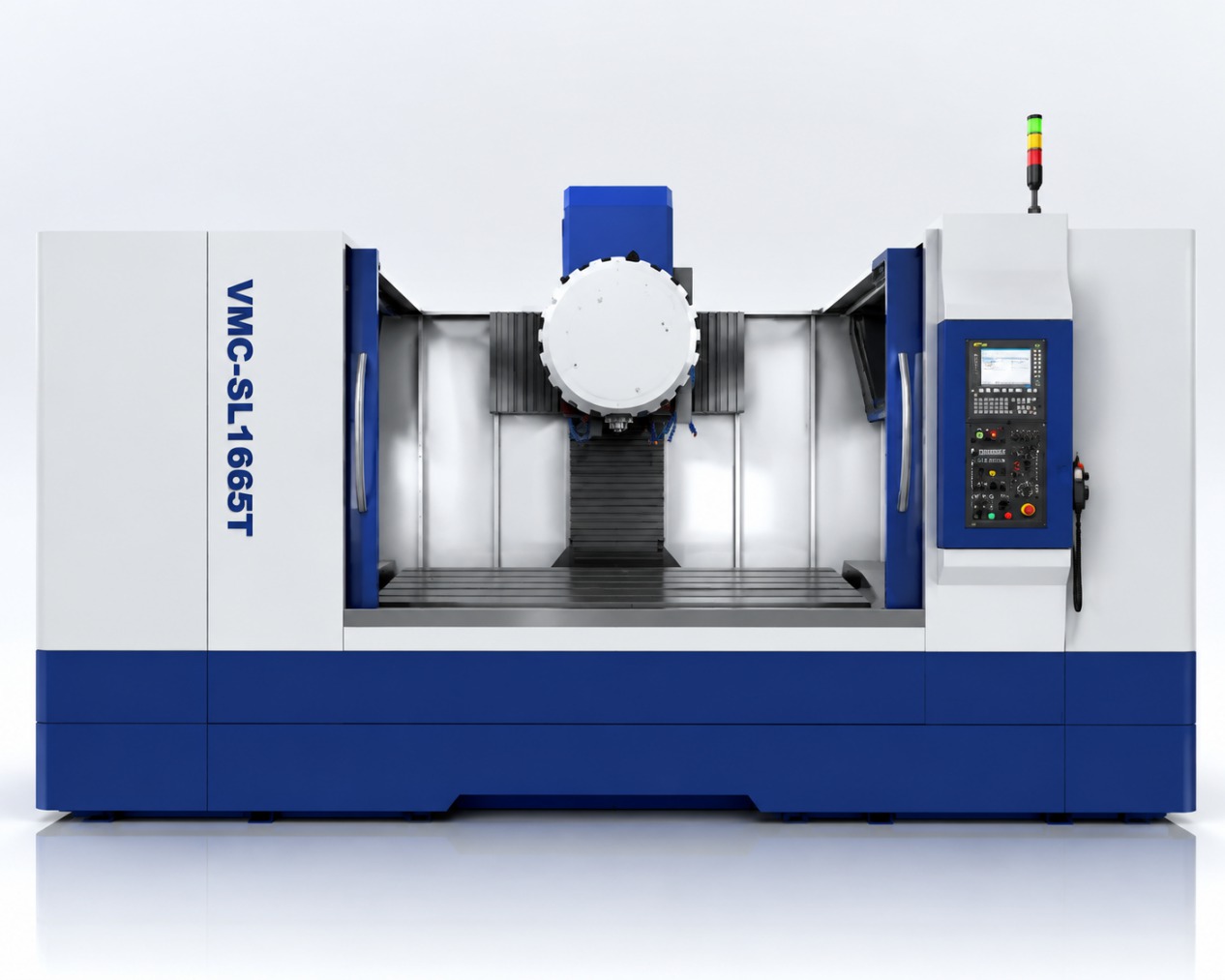
Monthly Maintenance: Check What You Cannot See
Monthly maintenance goes deeper.
This is when manufacturers should inspect systems that may not show obvious problems during daily operation.
Important checks include:
- Lubrication system performance
- Hydraulic pressure
- Electrical connections
- Servo systems
- Spindle condition
- Machine leveling
The spindle is especially important.
The grinding spindle is the heart of a surface grinder. Even small spindle problems can affect surface accuracy, vibration levels, and final part quality.
Regular inspection helps identify problems before they become failures.
A few hours of preventive maintenance can save days of unexpected downtime.
Long-Term Maintenance: Protect Your Investment
A quality surface grinding machine is a long-term investment.
With proper maintenance, many machines can continue delivering reliable performance for decades.
However, long-term maintenance requires more than cleaning and lubrication.
Manufacturers should periodically check:
- Machine geometry accuracy
- Guideway wear
- Spindle accuracy
- Ball screw condition
- Electrical components
- Control system performance
For high-precision applications, regular accuracy checks are especially important.
A machine may still run normally while gradually losing accuracy.
The operator may not notice a difference, but the final workpiece will.
Precision is not lost suddenly.
It usually disappears slowly.
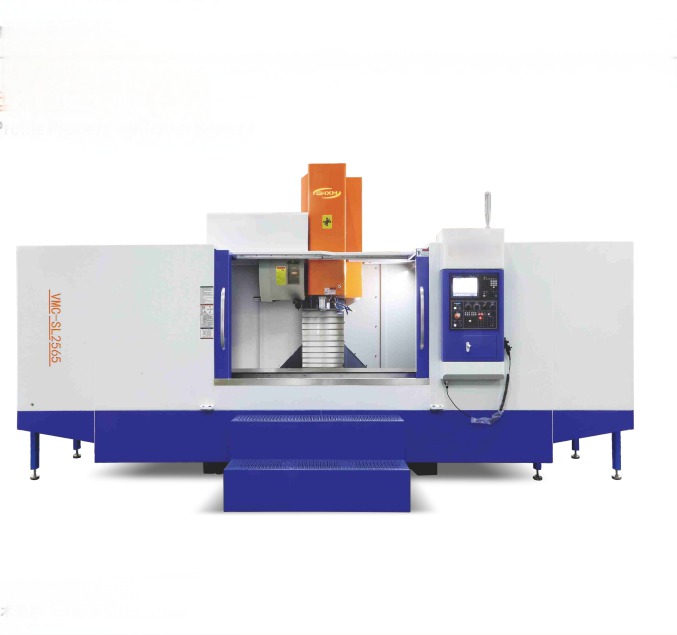
What Factors Affect Maintenance Frequency?
There is no single maintenance schedule that fits every factory.
A surface grinding machine working eight hours a day in a clean environment will have different requirements from a machine operating twenty-four hours a day in a dusty production area.
Several factors influence maintenance frequency:
Working Hours
Heavy production requires more frequent inspection.
A machine running continuously will naturally experience more wear than one used occasionally.
Working Environment
Temperature, humidity, dust, and coolant conditions all affect machine performance.
A clean and controlled workshop environment can significantly extend machine life.
Material Being Processed
Some materials create more grinding debris than others.
Hard materials and special alloys may require more attention to coolant systems and grinding wheels.
Operator Experience
A skilled operator can often identify small problems early.
Proper training is one of the most effective forms of machine protection.

Common Mistake: Only Maintaining the Machine When It Breaks
One of the most expensive mistakes manufacturers make is treating maintenance as a repair activity.
Maintenance is not about fixing a broken machine.
It is about preventing the machine from becoming broken.
Think about it this way:
Changing oil in a car is much cheaper than replacing the engine.
The same principle applies to precision machine tools.
A small investment in regular maintenance can prevent major repair costs and production interruptions.
How to Extend the Service Life of a Surface Grinding Machine
Besides regular maintenance, several simple practices can improve machine reliability:
- Use the correct grinding wheel for the material.
- Maintain proper coolant conditions.
- Keep the machine clean.
- Avoid unnecessary heavy impact on the table and guideways.
- Train operators properly.
- Follow the manufacturer’s recommended maintenance procedures.
These habits may seem simple, but together they make a significant difference.
Final Thoughts
A surface grinding machine is designed for precision, and precision requires care.
There is no magic maintenance schedule that works for every factory, but regular daily checks, weekly inspections, and periodic professional servicing are essential for maintaining accuracy and reliability.
The best manufacturers understand one important thing:
A well-maintained machine doesn’t just last longer—it produces better parts.
At Bica CNC Machinery, we provide precision grinding solutions including CNC surface grinding machines, cylindrical grinding machines, machining centers, and other advanced machine tools for manufacturers worldwide.
Choosing the right machine is important.
Keeping it performing at its best is equally important.
Because in precision manufacturing, reliability is not something you achieve once.
It is something you maintain every day.
Post time: Aug-17-2026

